Building Strong Partnerships with Oil Seal Suppliers for Long-Term Success
A successful supply chain is built on solid supplier relationships. For enterprise procurement managers sourcing oil seals, the stakes are high. Oil seals are essential components in machinery, providing critical functions like sealing lubricants and preventing contamination. The reliability of oil seals directly impacts equipment performance and operational efficiency. Establishing strong partnerships with oil seal suppliers can ensure consistent quality, reduce procurement risks, and support long-term organizational goals. This blog explores actionable strategies to evaluate, collaborate, and optimize vendor relationships with oil seal manufacturers.
Table of contents:
Evaluating the Importance of Supplier Reliability in Oil Seal Procurement
Developing Collaborative Relationships with Oil Seal Manufacturers
Implementing Effective Communication Strategies with Oil Seal Suppliers
Leveraging Supplier Expertise to Optimize Oil Seal Selection and Usage
Evaluating the Importance of Supplier Reliability in Oil Seal Procurement
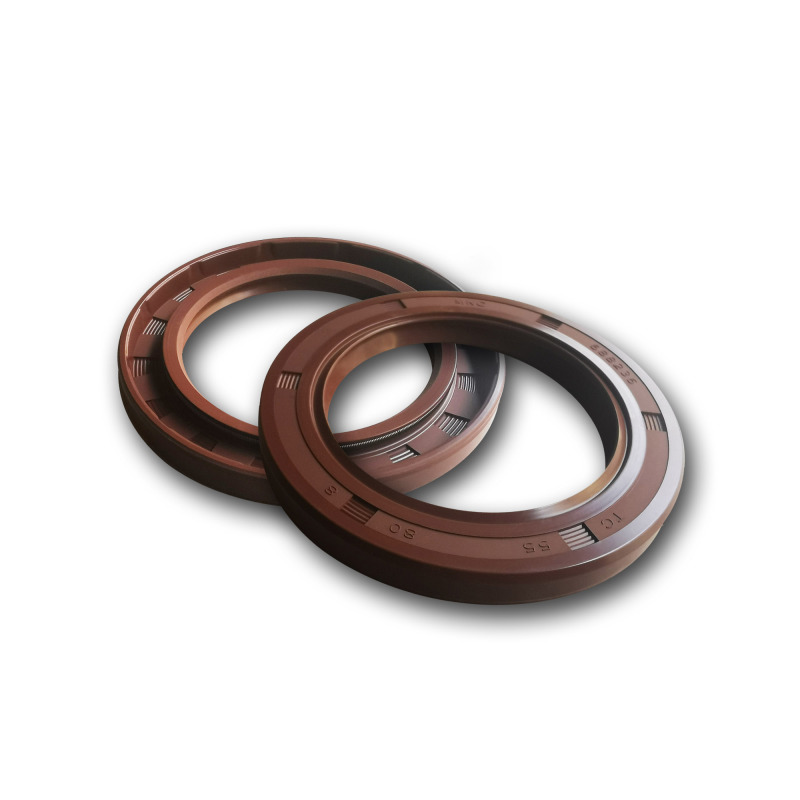
When it comes to procuring essential machine components like oil seals, reliability should be non-negotiable. Reliable suppliers ensure consistent quality, timely deliveries, and solutions for urgent requirements. Oil seal suppliers, such as those offering T-type, S-type, or V-type shaft oil seals, vary greatly in their capabilities. The first step to building a strong foundation with a supplier is evaluating their track record thoroughly. Look for a history of meeting deadlines, maintaining quality control standards, and managing compliance across global operations. For instance, an oil seal manufacturer like MKC emphasizes over 30 years of expertise in quality manufacturing and strict inspections. Their global presence further assures buyers of their ability to meet volume demands efficiently. Start by assessing their certifications, feedback from existing clients, and technical expertise. Prioritize suppliers who demonstrate an ability to scale while maintaining consistent results.
Developing Collaborative Relationships with Oil Seal Manufacturers
Establishing open collaboration sets the stage for mutual success. Suppliers of shaft oil seals and gearbox oil seals often serve numerous industries, making it essential to communicate your organization’s unique needs clearly. The best supplier relationships function like partnerships, where both parties work toward shared goals. To cultivate this, engage in transparent discussions about production lead times, inventory management, and resource planning. Share long-term procurement forecasts and remain accessible for supplier check-ins. For instance, MKC specializes in customized oil seal solutions, tailored to specific application needs. Such manufacturers encourage detailed input from clients to co-create high-performance solutions. Participating in collaborative innovation with manufacturers can lead to specialized designs that align directly with your operational requirements, producing greater efficiency and cost savings.
Implementing Effective Communication Strategies with Oil Seal Suppliers
Strong communication is the backbone of any successful supplier relationship. Maintaining open communication channels with oil seal manufacturers ensures that potential issues are identified and resolved quickly. Set clear expectations from the outset, such as quality parameters for gear reducer seals, preferred packaging specifications, or critical delivery schedules. Regular check-ins and performance reviews are a best practice in vendor management. Using technology to stay connected, such as digital procurement tools integrated with ERP systems, can further streamline processes. Encourage suppliers to share updates on product innovations or industry standards that might affect procurement decisions. A manufacturer like MKC, with its focus on customer relationships and global markets, exemplifies suppliers who value proactive communication. Keeping stakeholders informed not only prevents misalignments but also fosters trust and reliability.
Leveraging Supplier Expertise to Optimize Oil Seal Selection and Usage
Suppliers that specialize in oil seals bring invaluable expertise to the table. Their insights can guide procurement teams to select the right products for specific applications, significantly extending the life span of critical components. For example, selecting an appropriate gearbox oil seal requires an understanding of lubrication properties, operating temperatures, and contamination risks. Trusted suppliers often provide deeper insights by collaborating directly with OEM engineers or maintenance teams to refine options. Many oil seal suppliers, including MKC, offer guidance on choosing products tailored for different housing materials, such as steel or soft alloys. This expertise ensures optimal performance while addressing challenges like wear, corrosion, or thermal expansion requirements. By integrating suppliers’ knowledge into procurement processes, businesses can not only improve operational resilience but also reduce costs associated with misapplication or frequent replacements.
Building strong partnerships with oil seal suppliers is an ongoing process that combines evaluation, collaboration, communication, and leveraging expertise. By identifying reliable manufacturers and nurturing long-term relationships with them, enterprise procurement managers can create a resilient supply chain. Suppliers like MKC with global reach, certified expertise, and customization capabilities exemplify the benefits of working with strategic partners. Consistent quality, tailored solutions, and reduced downtimes come as a result of these collaborations, delivering measurable improvements in procurement efficiency and competitive advantage. If you’re ready to take your procurement strategies to the next level, start by identifying oil seal manufacturers that align with your organizational goals and prioritize forming a transparent, mutually beneficial relationship.