The Importance of Choosing the Right Oil Seal for Your Applications
Selecting the correct oil seal is pivotal for ensuring the smooth operation and longevity of your machinery. Oil seal play an essential role in preventing contaminants from entering mechanical systems, safeguarding sensitive components, and maintaining operational efficiency. For machinery owners and maintenance professionals, understanding the intricacies of oil seal selection can lead to significant cost savings and enhanced performance.
Table of content
How Oil Seals Protect Machinery from Contaminants
The Role of Oil Seals in Enhancing Equipment Longevity
Understanding Different Types of Oil Seals and Their Uses
Why Quality Matters Choosing a Trusted Oil Seal Supplier
How Oil Seals Protect Machinery from Contaminants
Oil seals are fundamental in protecting machinery from various external contaminants. They work by creating a tight seal around moving parts, preventing harmful substances such as dust, dirt, and moisture from infiltrating sensitive areas. This barrier is crucial for maintaining the integrity of lubricants and ensuring that machinery operates smoothly. By keeping contaminants at bay, oil seals help reduce wear and tear, ultimately extending the life of equipment. In industrial environments where exposure to dust and debris is common, the presence of reliable oil seals can make a significant difference in equipment downtime and maintenance costs.
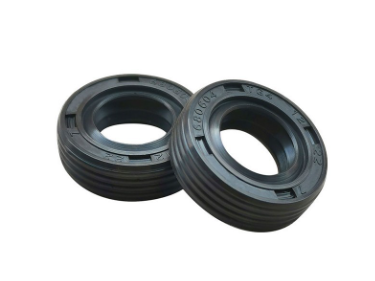
The Role of Oil Seals in Enhancing Equipment Longevity
Oil seals are not only about protection but also play a vital role in enhancing the longevity of equipment. By ensuring that lubricants remain uncontaminated, they enable machinery to perform at optimal levels without interruption. This consistent performance translates into fewer breakdowns and reduced need for frequent maintenance. Over time, the cumulative effect of using high-quality oil seals can result in substantial cost savings and prolonged equipment life. Regular maintenance and timely replacement of oil seals can further enhance their effectiveness, ensuring machines remain in prime working condition.
Understanding Different Types of Oil Seals and Their Uses
The market offers a variety of oil seals, each designed for specific applications and conditions. From the TG-type oil seal with its outer oil groove design to the versatile V-type oil seal, these components cater to different demands. Understanding the specific requirements of your machinery—such as pressure, temperature, and the nature of the operational environment—is crucial in selecting the right type. Materials used in oil seals, like butadiene rubber and fluorine rubber, also play a role in determining their suitability for specific applications. Opting for the right oil seal ensures compatibility and performance, minimizing the risk of seal failure and its associated consequences.
Why Quality Matters Choosing a Trusted Oil Seal Supplier
When it comes to oil seals, quality should never be compromised. Working with a trusted oil seal supplier guarantees that the products meet industry standards and deliver reliable performance. High-quality oil seals are designed to withstand the rigors of challenging environments and provide consistent sealing solutions over extended periods. Choosing a reputable supplier also offers the advantage of expert guidance in selecting the most suitable oil seals for your applications. Suppliers like MKC, known for their TG type oil seal, provide assurance of quality and reliability. Investing in premium oil seals can prevent costly repairs and downtime, contributing to the overall success and efficiency of your operations.
In conclusion, oil seals are an integral component in the maintenance and operation of machinery. By understanding their role in protecting against contaminants and prolonging equipment life, businesses can make informed decisions that enhance efficiency and reduce costs. Selecting the right type of oil seal, in partnership with a trusted supplier, is crucial for maximizing the benefits these components offer. Whether you are new to the field or seeking to optimize your current setup, understanding the importance of oil seals can pave the way for improved performance and longevity in your machinery.