How to Choose the Right Oil Seal for Your Machinery
Identifying Your Machinery's Requirements
Differences Between TF Type and Other Oil Seals
Material Considerations for Oil Seals
Expert Recommendations and Best Practices
Identifying Your Machinery's Requirements
Before you start shopping for oil seals, it's essential to understand your machinery's specific needs. Different machines operate under various conditions, which means their oil seal requirements will vary.Firstly, consider the operational environment. Is your machinery exposed to extreme temperatures, high pressure, or corrosive substances? Knowing these conditions will help you choose a seal that can withstand the environment. For example, a machine operating in a high-temperature environment will need a seal made from heat-resistant materials.Next, think about the type of lubricant used. Different lubricants can affect the seal's material compatibility. Understanding your lubrication system will help you pick the right seal that won't degrade or fail prematurely.Finally, consider the shaft and housing dimensions. An accurate understanding of these measurements ensures that you select a seal that fits perfectly and functions efficiently. A mismatch in size can lead to leaks and reduced performance.
Differences Between TF Type and Other Oil Seals
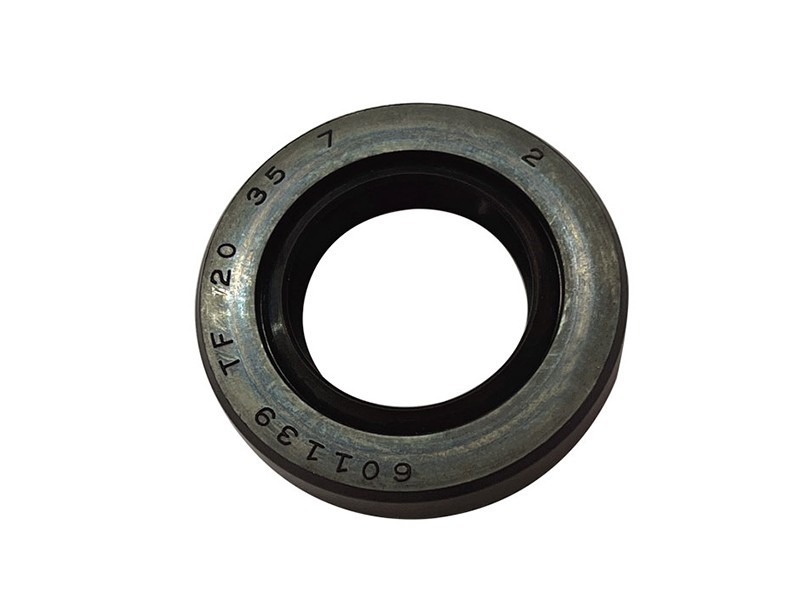
When it comes to oil seals, not all are created equal. TF type oil seals are a popular choice, but how do they compare to other types? TF type oil seals are designed with a unique structure that offers superior sealing capabilities. These seals typically feature a double-lip design, which provides an extra layer of protection against contaminants. This design makes them ideal for harsh environments where dust and dirt are prevalent.On the other hand, standard oil seals, although effective, might not offer the same level of protection as TF type seals. They are often single-lip designs, which might be sufficient for less demanding applications but may fall short in more extreme conditions.Another critical difference is the material used. TF type oil seals often incorporate advanced materials that enhance durability and performance. These materials can withstand higher temperatures, pressures, and chemical exposures, making them suitable for heavy-duty machinery.
Material Considerations for Oil Seals
The material of your oil seal is a significant factor that affects its performance and longevity. Different materials offer various properties that can be beneficial depending on your application.Nitrile rubber (NBR) is a common material used in oil seals due to its excellent oil resistance and affordability. However, it has limitations in extreme temperatures and cannot handle highly aggressive chemicals.Fluoroelastomer (FKM), also known as Viton, is another popular choice. It offers superior heat resistance and is compatible with a wide range of chemicals. This makes it ideal for high-temperature applications and environments with harsh chemicals.Silicone rubber is known for its flexibility and excellent low-temperature performance. It’s suitable for applications where temperature fluctuations are common, but it might not offer the same oil resistance as NBR or FKM.Polyurethane (AU) and polytetrafluoroethylene (PTFE) are other materials to consider. These materials provide exceptional wear resistance and mechanical strength, making them suitable for heavy-duty applications.
Sizing and Installation Tips
Getting the right size for your oil seal is crucial for its effective performance. Here are some tips to ensure you get the sizing right and install your oil seal correctly.Firstly, always measure the shaft and housing dimensions accurately. Even a slight deviation can lead to improper sealing and potential leaks. Use precise measuring tools and refer to manufacturer guidelines for exact specifications.When it comes to installation, cleanliness is key. Ensure that the shaft, housing, and seal are free from dirt and debris. Any contaminants can compromise the seal’s effectiveness and lead to premature failure.Lubricate the seal and the shaft before installation. This reduces friction and helps the seal slide into place without damage. Use the appropriate lubricant that is compatible with both the seal material and the machinery’s operational environment.Finally, use the correct tools for installation. Avoid using sharp objects or excessive force, as this can damage the seal. Follow the manufacturer’s installation instructions for the best results.
Expert Recommendations and Best Practices
To ensure you get the most out of your oil seals, here are some expert recommendations and best practices.Regular maintenance is essential. Inspect your seals periodically for signs of wear and tear. Replace them promptly if you notice any damage to prevent further complications.Choose seals from reputable manufacturers. Quality is critical when it comes to oil seals. Opt for trusted brands that offer reliable products and have a track record of performance.Consider the total cost of ownership. While cheaper seals might save you money upfront, they could lead to higher costs in the long run due to frequent replacements and potential machinery damage. Investing in high-quality seals can save you money and hassle in the long run.Lastly, stay updated with the latest advancements in seal technology. The industry is continually evolving, with new materials and designs emerging. Keeping up with these developments can help you make better-informed decisions and improve your machinery’s performance.
Choosing the right oil seal is crucial for the smooth operation of your machinery. By understanding your machinery’s requirements, comparing different types of seals, and considering the material and size, you can make an informed decision. Regular maintenance and choosing high-quality seals will ensure your machinery runs efficiently and lasts longer.
For more tips and expert advice on selecting the right oil seal, visit our website or contact one of our specialists. We’re here to help you make the best choice for your machinery.