TF Type Oil Seals vs Other Sealing Solutions A Comprehensive Comparison
Understanding TF Type Oil Seals
TF Type vs O-Rings Which is Better?
Hydraulic Seals vs TF Type Oil Seals
Advantages and Disadvantages of Each
Application-Specific Recommendations
Understanding TF Type Oil Seals
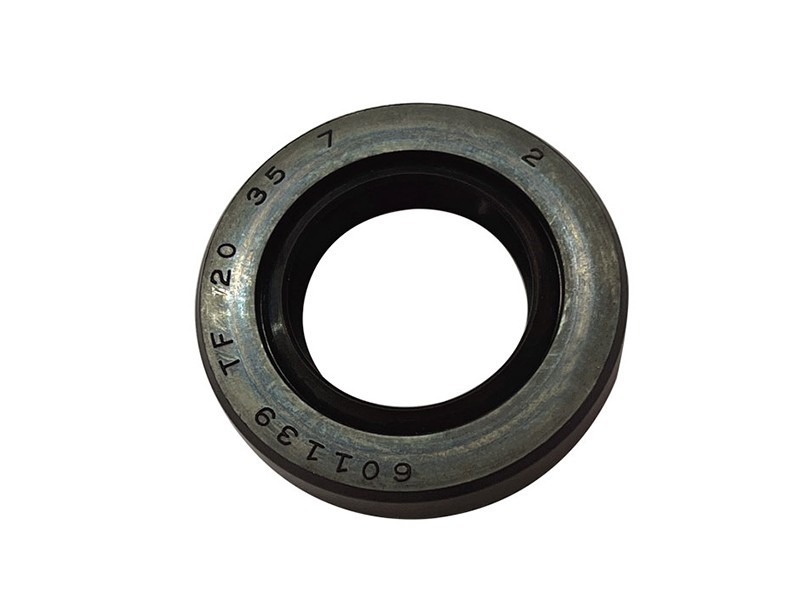
TF Type oil seal are designed to keep lubricants in and contaminants out, ensuring that machinery operates smoothly and efficiently. These seals are commonly used in automotive, industrial, and agricultural applications due to their durability and reliability. The primary function of a TF Type oil seal is to prevent the leakage of lubricants and protect components from harmful contaminants. They are made of rubber or polyurethane and come in various sizes and designs to suit different applications.
TF Type vs O-Rings Which is Better?
O-rings are one of the most common sealing solutions used in various industries. They are versatile, easy to install, and cost-effective. However, when it comes to high-speed applications or environments with significant pressure changes, TF Type oil seals often outperform O-rings. This is because TF Type oil seals provide a more secure and reliable seal, reducing the risk of leaks and component failure. Nevertheless, O-rings can be a suitable choice for static applications where the sealing requirements are less demanding.
Gaskets vs TF Type Oil Seals
Gaskets are widely used in sealing applications to prevent leaks between two surfaces. They are typically made from materials such as rubber, cork, or metal, and are effective in low-pressure environments. However, TF Type oil seals offer superior performance in dynamic applications where there is constant movement between components. The flexible design of TF Type oil seals allows them to maintain a tight seal even under varying conditions, making them a more reliable choice for high-pressure and high-speed applications.
Hydraulic Seals vs TF Type Oil Seals
Hydraulic seals are specifically designed for use in hydraulic systems, where they prevent fluid leakage and maintain pressure. While hydraulic seals are highly effective in their intended applications, TF Type oil seals can offer additional benefits in certain scenarios. For example, TF Type oil seals can be used in both rotary and reciprocating applications, providing greater versatility. Additionally, TF Type oil seals often have better resistance to wear and tear, making them a more durable option for long-term use.
Advantages and Disadvantages of Each
When comparing TF Type oil seals with O-rings, gaskets, and hydraulic seals, it's essential to consider the specific advantages and disadvantages of each solution. TF Type oil seals offer superior performance in dynamic applications, high-speed environments, and situations with significant pressure changes. They are also highly durable and resistant to wear and tear. On the other hand, O-rings are cost-effective and easy to install, making them suitable for static applications. Gaskets are ideal for low-pressure environments, while hydraulic seals excel in maintaining pressure in hydraulic systems.However, TF Type oil seals can be more expensive than O-rings and gaskets, which may be a consideration for budget-conscious applications. Additionally, hydraulic seals may be a better choice for applications where maintaining pressure is critical.
Application-Specific Recommendations
Choosing the right sealing solution depends on the specific requirements of your application. For high-speed and high-pressure environments, TF Type oil seals are often the best choice due to their superior performance and durability. In static applications with lower sealing demands, O-rings can provide a cost-effective and easy-to-install option. Gaskets are suitable for low-pressure environments, while hydraulic seals are the go-to solution for maintaining pressure in hydraulic systems.
In conclusion, selecting the right sealing solution is crucial for ensuring the efficiency and reliability of your machinery. TF Type oil seals offer several advantages over other sealing solutions, particularly in dynamic and high-pressure applications. However, it's essential to consider the specific requirements of your application and weigh the advantages and disadvantages of each option. By understanding the unique benefits of TF Type oil seals, O-rings, gaskets, and hydraulic seals, you can make an informed decision that will keep your machinery running smoothly and efficiently. For further guidance and expert advice, don't hesitate to reach out to our team of specialists who can help you choose the best sealing solution for your needs.